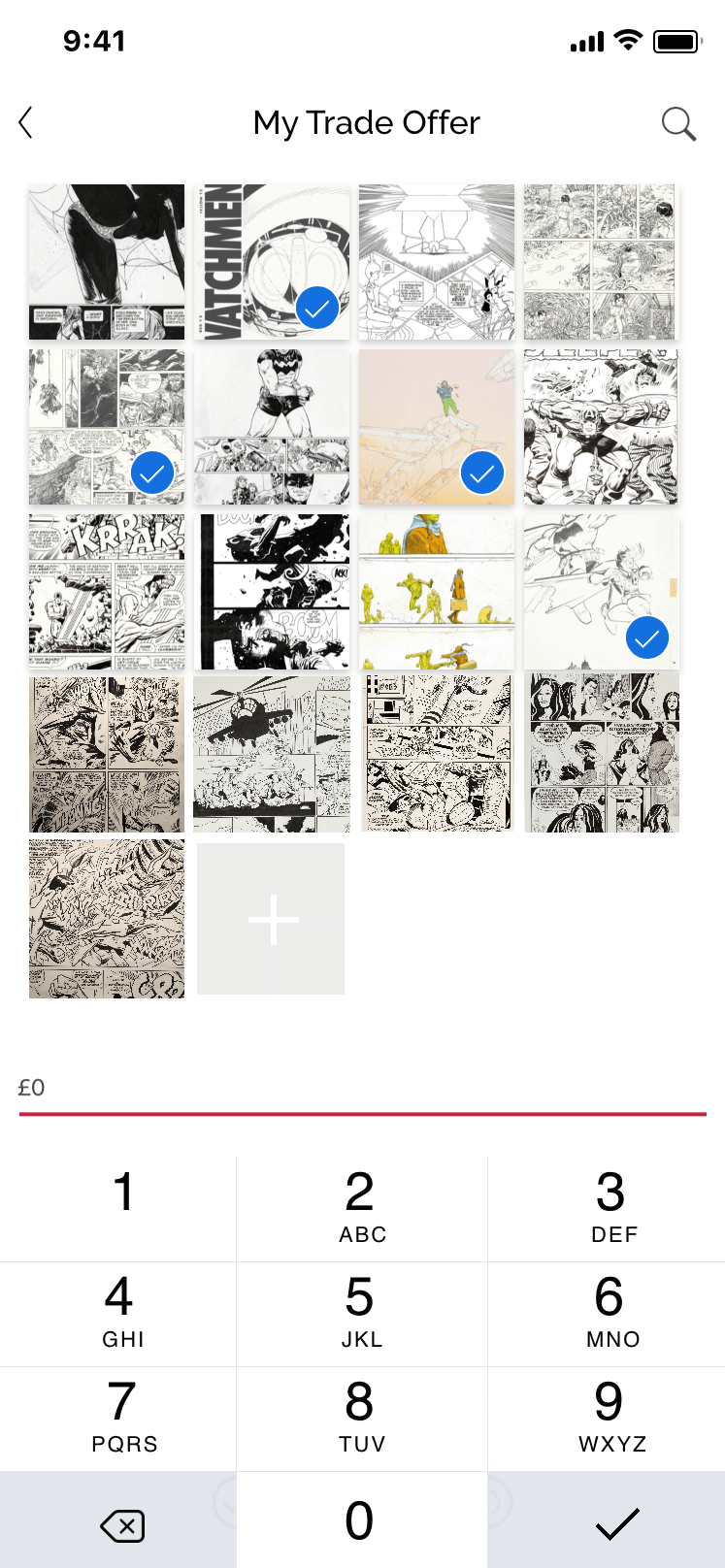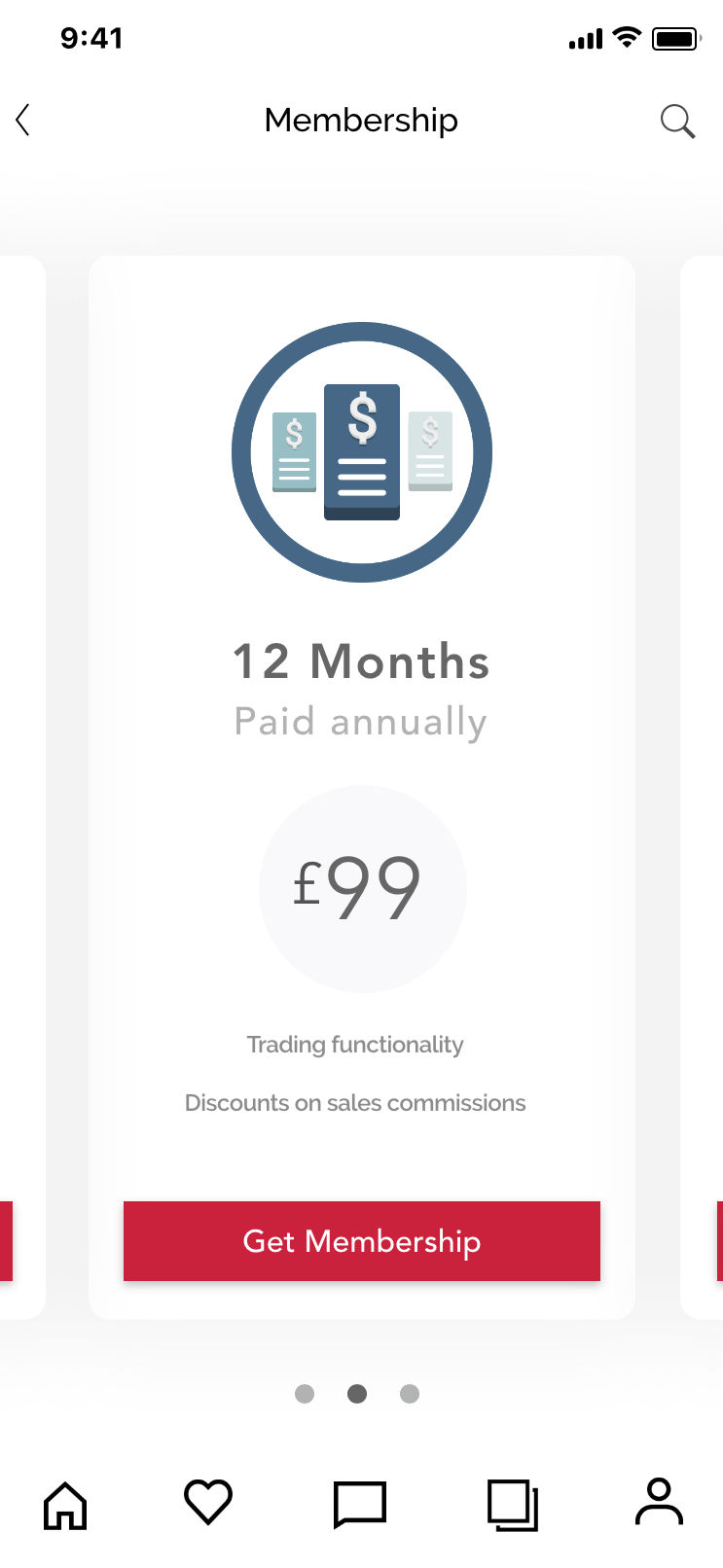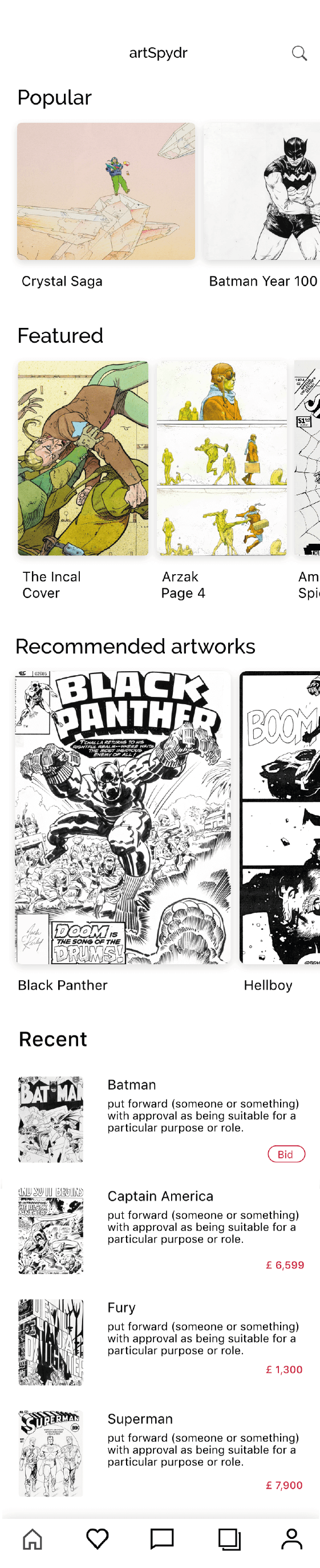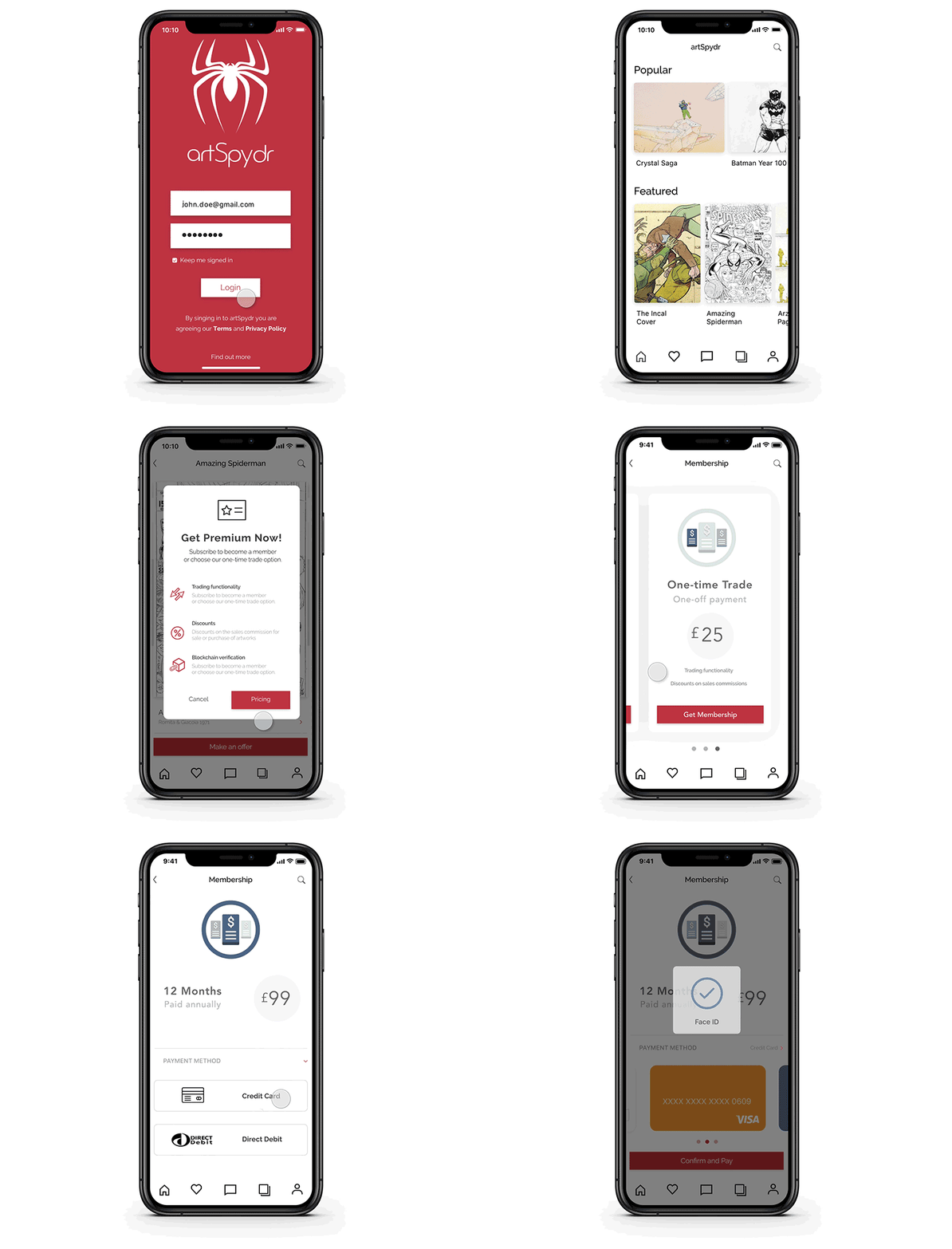






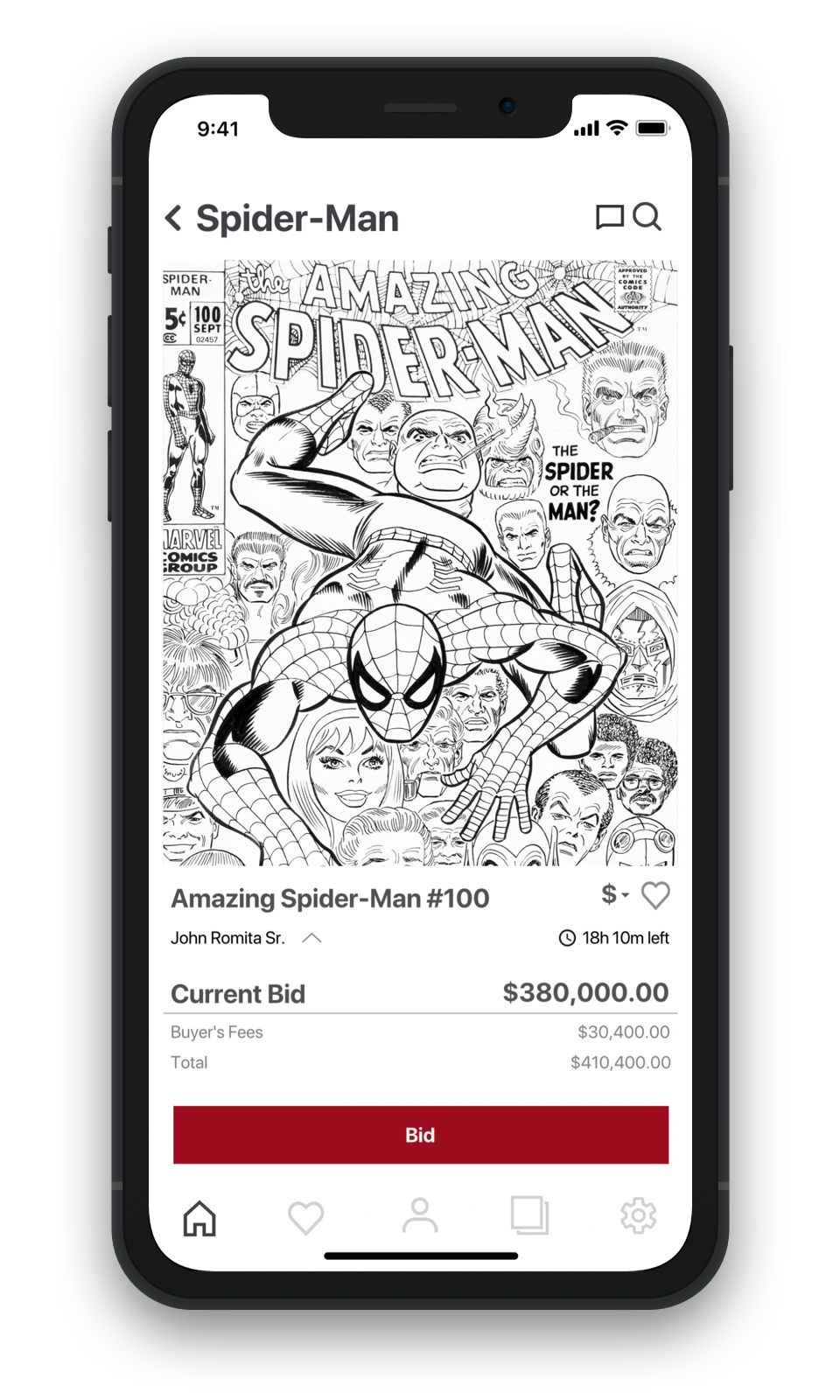
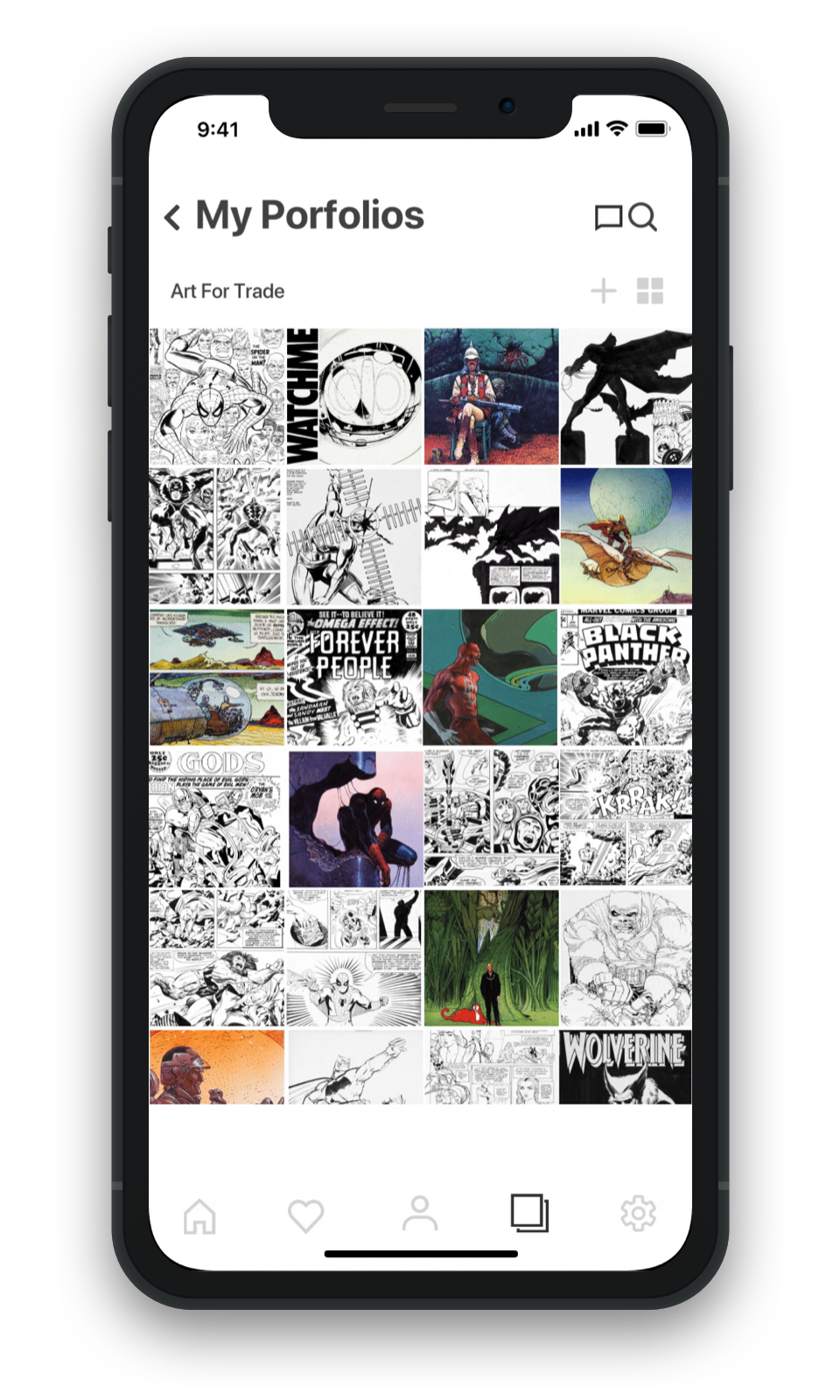
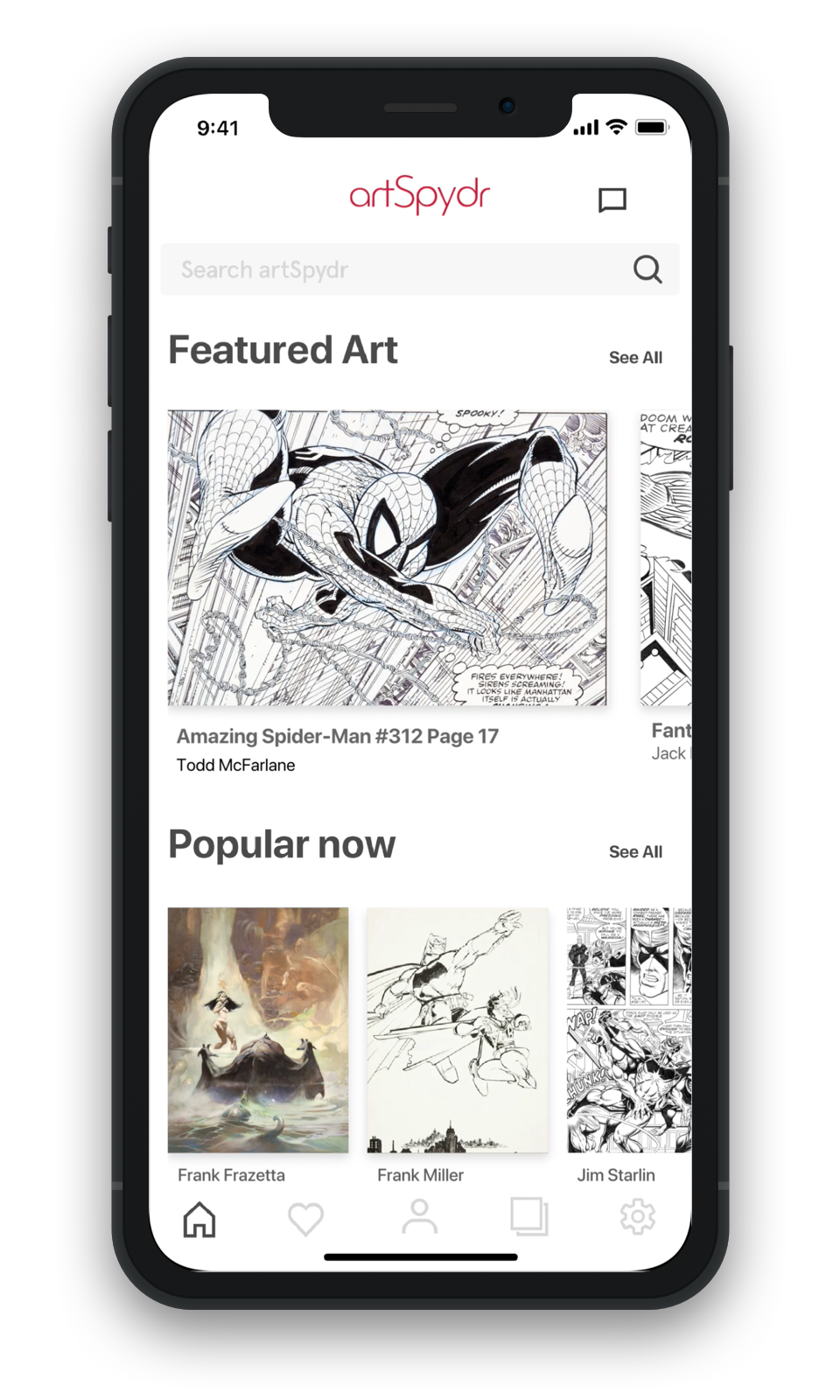
The primary goal of artSpydr is to provide a uniquely convenient and secure platform for global art transactions. The platform aims to match buyers and sellers efficiently, charging a fair commission, coordinating transactions, verifying art through a Machine Learning AI system, recording art on the Comic Art Blockchain for provenance, and offering additional services such as courier, insurance, and secure packaging.
-poster-00001.jpg)

To address the growing importance of provenance, artSpydr employs The Comic Art Blockchain to encrypt, record, and tag art. The aim is to initiate a historical process for provenance and chain of ownership in the original comic art market.
The solution I found was to design a robust proof of provenance tracking record that updates in real-time with every transaction. Creating a system that seamlessly captures and reflects the chain of ownership for each piece of art sold on the platform required a careful balance between user transparency and data privacy.

Ensuring an enriched transaction experience, artSpydr provides options for GPS-tracked transportation to local offices, bespoke courier services, transit insurance, and custom-designed packaging.
The UX solution was updating the booking screen for the courier service, introducing the option to use GPS trackers. Given the constraints of tracker availability and cost-effectiveness, the design needed to provide a seamless booking experience while communicating limitations transparently.
I designed artSpydr's custom packaging incorporating a GPS tracker. With an inner carton for protection and an outer triple-walled transit sleeve for the GPS tracker, the packaging process is streamlined, ensuring the safe delivery of verified artwork.
Beyond the technical considerations, the design challenge involved visually guiding users on how to employ the packaging effectively. Ensuring the tracking process preserves the anonymity of both the seller and buyer, adding an extra layer of complexity.
artSpydr positioned itself as the intermediary expert in verifying artwork, a dedicated page was needed to keep both sellers and buyers informed about the status of the verification process.
UX solution was designing a visually intuitive interface that depicted the various stages of art verification while maintaining transparency and instilling confidence in users posed its own set of challenges.